
 7 years ago
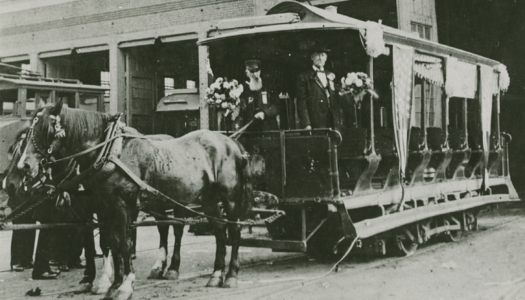
Horsecar Drivers & Customers
Passengers and carmen enjoyed a close, personal rapport during the horsecar period. Despite a company prohibition against “unnecessary conversation with passengers,” both drivers and conductors cultivated a clientele almost like …
Read More
 7 years ago
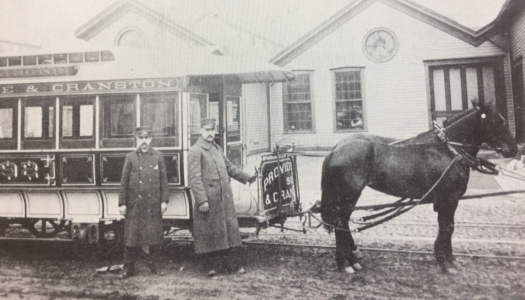
Horsecar Workers
The Sprague Brothers’ Union (Horse) Railroad decided to hire the best available personnel by paying generous wages. Horsecar workers received a two-dollar-a-day salary at the inception of service in 1864. …
Read More
 7 years ago
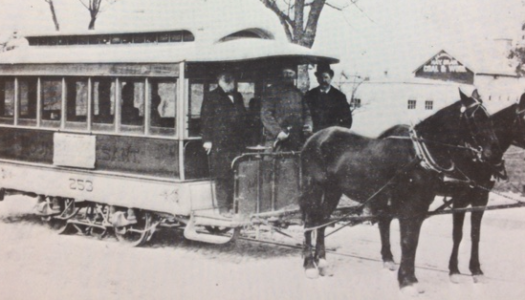
Rhode Island’s First Horsecar, Providence to Pawtucket
Providence was ready to experiment with a new form of transportation at the end of the Civil War, a means of travel popularized in several other Metropolitan areas. New York …
Read More
 7 years ago
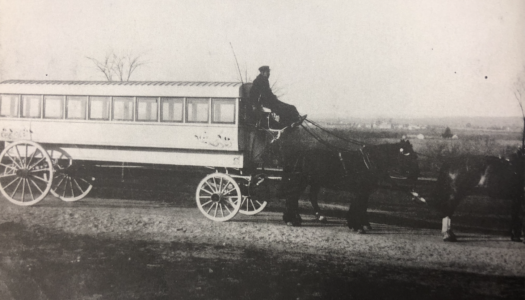
The Omnibus in Rhode Island: Crucial Urban Link
As the stagecoach disappeared from the urban scene with bittersweet memories for drivers and passengers, it was replaced temporarily by the next stage in the evolution of local mass transit—the …
Read More
 7 years ago
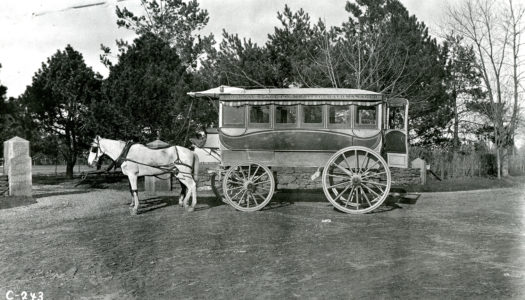
From Early Turnpikes to the Stagecoaches
Most public bus routes that crisscross Rhode Island today overlay track beds that once supported-electric trolleys and horsecars. Before the railways, the rickety omnibus and its rough and tumble predecessor, …
Read More
 9 years ago
Down to the Sea by Rail: The Narragansett Pier Railroad
Railroads came to Rhode Island in 1835 with the Boston & Providence line, initially using crude horse-drawn carriages (looking like stagecoaches on rails). The line actually started operations several …
Read More
Most Popular Articles